Men’s health is getting more attention — and for good reason. Patterns in disease, risk behaviors, and access to care show persistent gaps by sex, age, race and geography. This long-form guide walks through the most pressing health concerns for U.S. men, translates the science into practical action steps, and gives a ready-to-use preventive checklist you can follow today. The tone here is empathetic, reassuring, and practical: small changes compound into big health wins.
Quick snapshot: what’s driving male health risk right now
- Heart disease remains the number-one cause of death for men in the U.S. — largely driven by high blood pressure, high cholesterol, smoking, obesity, and diabetes. CDC
- Cancer (collectively) is the second leading cause of death, with specific cancers — especially prostate and lung — disproportionately affecting men. CDC+1
- Mental health and suicide are critical: men account for a large majority of suicide deaths, and many men are less likely to seek mental-health care. CDC+1
- Obesity and metabolic disease (type 2 diabetes, NAFLD) are extremely common — ~40% of U.S. adults met criteria for obesity in recent NHANES data — fueling heart disease, cancer risk, and disability. CDC
Those four areas — cardiovascular disease, cancer, mental health (including suicide), and obesity/metabolic disease — overlap heavily. Treating one usually helps the others.
The top 10 male health concerns — a listicle for busy readers
- Heart disease & stroke — still the top killer; prevention and early detection are key. CDC
- Cancer (prostate, lung, colorectal, liver) — prostate cancer incidence has been rising recently; screening and risk-reduction matter. American Cancer Society+1
- Mental health & suicide — men are less likely to seek help; targeted outreach and awareness save lives. CDC
- Obesity and metabolic syndrome (type 2 diabetes, fatty liver) — prevalence remains high and worsens long-term risk. CDC
- Substance use (alcohol, opioids, tobacco, vaping) — continues to cause both acute harm (overdose) and chronic disease.
- Sexual & reproductive health (erectile dysfunction, low testosterone, STIs) — important quality-of-life and sometimes early signals of vascular disease.
- Respiratory disease & COPD — smoking and environmental exposures remain drivers. CDC
- Musculoskeletal injuries & chronic pain — common in working-age men; affects function and mental health.
- Chronic kidney disease — often a downstream consequence of diabetes and hypertension. CDC
- Preventive care gaps — fewer routine visits and screenings; men are half as likely as women to seek preventive care. Shortlister
Evidence & science highlights (university and public-health research you can trust)
- Cardiovascular disease: The CDC lists heart disease as the top cause of death (2023 data) — a trend that continues to dominate male mortality. Risk clusters (smoking, hypertension, high LDL, diabetes) are well established in long-term cohort studies at major universities and public health institutions. CDC+1
- Prostate cancer trends: The American Cancer Society projects about 313,780 new prostate cancer cases in the U.S., and researchers have documented a trend reversal — incidence had declined after screening recommendations changed but has risen again since 2014. Large population studies (NCI, CDC, academic cancer centers) show increases in regional-stage disease, prompting renewed attention to risk-stratified screening. American Cancer Society+1
- Obesity & NHANES science: National Health and Nutrition Examination Survey (NHANES) data released in 2024 show adult obesity prevalence was ~40.3% during Aug 2021–Aug 2023 (39.2% in men). Universities and NIH researchers use NHANES as the gold standard for population health trends. The increase in severe obesity is particularly concerning for long-term morbidity. CDC+1
- Mental health & suicide research: CDC and peer-reviewed reports (NCHS briefs) document rising suicide rates in previous decades with some fluctuation; men make up a disproportionate share of suicide deaths. Academic studies highlight barriers to care: stigma, masculine norms, access shortages, and firearm access. CDC+1
Table: Top concerns, prevalence/impact, and practical actions (easy to scan)
| Concern | How common / impact (short) | Practical action for men (what to do now) |
|---|---|---|
| Heart disease & stroke | Leading cause of death (U.S. adults). High BP and lipids are common. CDC | Get BP & cholesterol checked yearly; stop smoking; aim for 150 min/wk moderate exercise; ask about statins if 10-yr risk high. |
| Cancer (prostate, lung, colorectal) | Cancer is #2 cause of death; prostate cases rising. American Cancer Society+1 | Talk to your clinician about age/risk-based screening (PSA for prostate, colonoscopy/fit for colorectal, lung CT for eligible smokers). |
| Mental health & suicide | High suicide burden among men; many avoid care. CDC | Screen for depression; use 988 in crisis; seek therapy or primary-care mental-health referral; connect socially. |
| Obesity & metabolic disease | ~40% of adults have obesity; severe obesity rising. CDC | Aim for gradual 5–10% weight loss if overweight; focus on diet quality, reduce ultraprocessed foods; ask about GLP-1 meds if appropriate. |
| Substance use (alcohol/tobacco/opioids) | Substance-related deaths & harms remain high. | Limit alcohol; seek treatment for dependence; access naloxone if opioid risk; quit tobacco (counseling + meds). |
| Respiratory disease (COPD) | Major cause of morbidity; linked to smoking. CDC | Stop smoking; get spirometry if symptomatic; annual flu vaccine; COVID vaccines as recommended. |
| Sexual health & testosterone | Erectile dysfunction can signal vascular disease; low T symptoms warrant assessment. | Address ED with clinician evaluation; check testosterone only if symptomatic; practice safer sex. |
| Musculoskeletal & chronic pain | High impact on work & mood. | Regular movement, ergonomic changes, PT, avoid opioid monotherapy. |
| Chronic kidney disease | Linked to diabetes/hypertension. CDC | Control BP & sugar; get eGFR/urine albumin checked if risk factors present. |
| Preventive care gap | Men visit providers less often and miss screenings. Shortlister | Build an annual health checklist (below) and book the appointment. |
Actionable prevention plan: a yearly checklist for men (printable)
- Annual:
- Primary care visit for a general check-up.
- Blood pressure measurement.
- Fasting lipid panel (cholesterol) — every 4–6 years if low risk, sooner if high risk.
- Fasting glucose or A1c (age ≥35 or risk factors) or as recommended.
- Weight/BMI and waist circumference.
- Mental health screen (ask about depression, suicidal thoughts, substance use).
- Vaccinations: influenza (seasonal), COVID boosters if eligible, Tdap once then Td booster as needed, HPV vaccine up to recommended ages, shingles & pneumococcal per age & risk.
- Age-based / risk-based:
- PSA discussion for prostate cancer starting ~50 (earlier — age 45 or 40 — for high-risk groups such as Black men or strong family history). Discuss benefits/harms with your clinician. American Cancer Society
- Colorectal cancer screening starting at age 45 (or earlier for family history).
- Lung cancer screening (annual low-dose CT) for heavy smokers meeting criteria.
- Bone health screening if risk factors (esp. older men or with hypogonadism).
- Lifestyle:
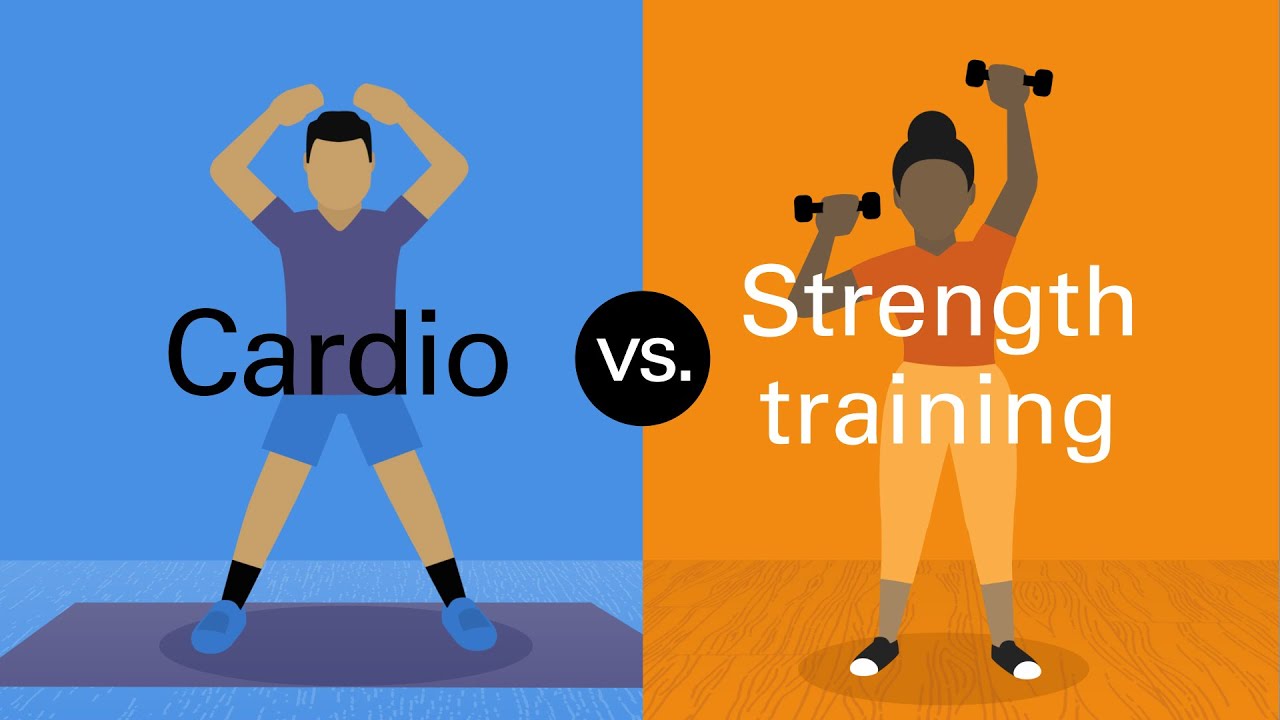
- Aim for 150 min/wk of moderate aerobic activity + 2 strength sessions.
- Mediterranean-style diet emphasis: vegetables, fruit, nuts, whole grains, fish, olive oil; limit processed foods and sugary drinks.
- Avoid tobacco and limit alcohol to ≤2 drinks/day (ideally less).
- Prioritize sleep (7–9 hours), stress management, and social connection.
Deep dive: Heart disease — what men should know
Why it matters: heart disease (including coronary artery disease and heart failure) is the top cause of death among men in the U.S. Risk accumulates silently: high blood pressure, high LDL cholesterol, diabetes, smoking, and obesity do damage long before symptoms.
What the evidence says: CDC mortality data show heart disease continues to lead U.S. deaths. Large clinical trials and guidelines (AHA, ACC) emphasize risk scoring (ASCVD 10-year risk) to guide therapy — e.g., statins, blood pressure control, smoking cessation. CDC+1
What to do now (practical):
- Know your numbers: blood pressure, LDL, A1c, smoking status.
- If 10-year ASCVD risk ≥7.5–10%, discuss statins; if higher, more aggressive risk reduction is indicated.
- Lifestyle: move daily, favor whole foods, quit smoking (counseling + meds).
- If you experience chest pain, unexplained shortness of breath, or new fainting — seek emergency care.
Deep dive: Cancer (focus on prostate, lung, colorectal)
Prostate: Prostate cancer is common — lifetime risk around 1 in 8 men — and case counts remain high. Recent analyses show incidence has been rising again after declines linked to reduced PSA screening. Decisions about PSA testing should be individualized by age, race, family history, and values. American Cancer Society+1
Lung: Leading cause of cancer death in men historically; screening via low-dose CT is lifesaving for heavy smokers (criteria vary; talk to your clinician). Smoking cessation remains the single most effective prevention.
Colorectal: Screening beginning at 45 is a common recommendation; options include colonoscopy, FIT/gFOBT, or stool DNA testing.
Practical tips:
- Talk through screening tradeoffs with your clinician; don’t skip shared decision-making for PSA.
- Quit smoking: most impactful single cancer prevention step.
- Reduce alcohol and maintain a healthy weight.
Deep dive: Mental health, depression and suicide — strategies that work
The gap: Men are less likely to disclose emotional distress or seek mental health care — yet suicide rates historically are higher in men. CDC data emphasize the persistent burden and the need for tailored outreach. CDC+1
What helps:
- Normalize help-seeking: therapy, peer groups, and primary-care-based mental-health treatment save lives.
- Safety planning: if thoughts of harming yourself occur, reach out to 988 (U.S.) or local services immediately; remove lethal means when possible.
- Workplace and community programs targeting men (male-friendly outreach) can lower barriers.
Practical steps:
- If you feel persistently down, hopeless, or are thinking about harming yourself, contact 988 or seek emergency care.
- Start with primary care if you don’t want a therapist right away — many PCPs can prescribe and manage treatment or refer.
- Peer support, exercise, consistent sleep, and reducing alcohol help mood.
Deep dive: Obesity & metabolic disease — the upstream driver
Data snapshot: NHANES (2021–2023) estimated ~40.3% adult obesity prevalence; about 39% in men — extreme obesity (BMI ≥40) is rising and feeds heart disease, diabetes, some cancers, and quality-of-life issues. CDC
Why this matters: Excess adiposity is not just cosmetic — it’s metabolic. Insulin resistance, inflammation, and fatty liver disease rise with weight, increasing multi-organ risk.
What’s new :
- Effective medical therapies (e.g., GLP-1 receptor agonists) have transformed treatment options for many people, but cost and access limit uptake. Lifestyle modification remains foundational; pharmacotherapy and bariatric surgery are options for selected individuals.
Practical steps:
- Even 5–10% weight loss improves blood pressure, lipids, and glucose.
- Prioritize dietary patterns (Mediterranean, DASH) over short-term fads.
- Ask your clinician about weight-loss medications if BMI and comorbidities meet criteria and if prior lifestyle attempts failed.
Screening & diagnostic controversies you should know about
- PSA for prostate cancer: Not a one-size-fits-all test. For men at average risk, shared decision-making is recommended — consider starting conversations at age 50 (earlier for high-risk groups). Guidelines vary; discuss tradeoffs (overdiagnosis vs. early detection). American Cancer Society
- PSA trends: Incidence rose after 2014, and some cancers are being detected at later stages; this nuance explains renewed PSA conversations. PMC
- Obesity definitions: Some researchers propose broadened obesity criteria (beyond BMI), which may change prevalence estimates and clinical thresholds in coming years. New research is moving fast — stay tuned. The Guardian
Real-world barriers men face (and how to overcome them)
- Stigma & masculinity norms that discourage help-seeking. Strategy: frame care as strength — “getting your head and body in top shape” rather than weakness.
- Work schedules & caregiving roles that limit clinic time. Strategy: use telehealth, evening clinics, and ask for employer flexibility.
- Cost & insurance — preventive services are often covered, but specialty care can be expensive. Strategy: ask clinics about sliding scale care, community health centers, or patient-assistance programs for medications.
- Geography (rural areas have less access). Strategy: telemedicine and community resources; when possible, schedule key screenings during planned travel to larger centers.
Practical scripts: what to say at your doctor’s visit
- “I’d like a yearly check-up — can we review my blood pressure, cholesterol, and blood sugar?”
- “I have a family history of prostate cancer — can we talk about PSA and when to start screening?”
- “I’ve been feeling down and less motivated — can we screen for depression and discuss options?”
- “I want to lose weight but haven’t succeeded — can we review safe options, including medication or referral to a weight-management program?”
FAQs — (Frequently Asked Questions)
Q: At what age should men start seeing a primary care doctor yearly?
A: Ideally in your 20s for baseline preventive care and to build a relationship. Men with chronic conditions should see their clinician more often. Preventive visits are a chance to catch risk factors early. CDC
Q: Should every man get a PSA test?
A: Not automatically. PSA testing is a shared decision: benefits (earlier detection of aggressive cancers) must be balanced against harms (overdiagnosis, unnecessary treatment). Discuss your personal risk — age, race (Black men have higher risk), family history — with your clinician. American Cancer Society
Q: How often should I check my blood pressure?
A: At least once a year if normal; more often if you have hypertension, are on meds, or have other cardiovascular risk factors. Home monitoring can help track trends. CDC
Q: Are weight-loss drugs safe and should I try them?
A: Newer GLP-1 medications (e.g., semaglutide) can be effective for many people, but they’re not right for everyone. Discuss eligibility, side effects, cost, and a plan to combine meds with lifestyle changes. Long-term care is important. livescience.com+1
Q: I’m worried about my mental health but don’t want to see a psychiatrist. Where to start?
A: Start with your primary care provider — they can screen for depression and anxiety and provide initial treatment or refer you to therapy. Employee Assistance Programs, community mental-health centers, and teletherapy are also options. In crisis, call 988 immediately. CDC
Q: What screening is most important for men aged 50+?
A: Blood pressure, cholesterol, colorectal cancer screening, appropriate cancer screens (including discussion of PSA), vaccination updates (shingles, pneumococcal), bone health if risk factors, and mental-health check-ins. CDC+1