The United States is widely celebrated for iconic destinations like the Grand Canyon, Yellowstone National Park, and Yosemite. But beyond the well-trodden pathways lie countless hidden natural wonders—breathtaking landscapes, rare formations, secluded forests, unusual geological marvels, and pristine waters that most travelers never even hear about. These lesser-known destinations offer a more peaceful, intimate, and awe-inspiring experience for nature lovers seeking something new.
This guide explores the best hidden natural wonders in the U.S., backed by scientific insights, enriched with SEO-friendly keywords such as secret natural wonders, hidden gems in America, underrated U.S. nature destinations, and best off-the-beaten-path places in the U.S. to help drive organic search traffic.
Whether you’re an adventurer, photographer, researcher, road-tripper, or simply someone who loves tranquility, these spectacular locations deserve a spot on your bucket list.
Table of Contents
- Why Hidden Natural Wonders Matter
- The Most Beautiful Hidden Natural Wonders in the United States
- Listicle: Underrated Natural Destinations Worth Visiting
- Table: Comparison of Hidden Natural Wonders
- Scientific Insights on Why These Places Are Unique
- How to Visit Natural Wonders Responsibly
- Tips for Exploring Remote Natural Areas in the U.S.
- FAQs
1. Why Hidden Natural Wonders Matter
While well-known national parks are magnificent, hidden natural wonders offer a unique set of benefits:
1. Less Crowded, More Serene
Unlike major attractions, which draw millions of visitors annually, remote natural areas provide:
- Quiet landscapes
- Wildlife observation opportunities
- Low-impact recreational spaces
2. Preservation of Natural Heritage
Many lesser-known destinations remain untouched, preserving:
- Rare geological formations
- Unique ecosystems
- Endangered species habitats
According to research from Oregon State University’s College of Forestry, ecosystems with lower human impact show significantly higher biodiversity and resilience against climate stress.
3. Cultural and Historical Value
Some hidden wonders hold meaningful stories connected to:
- Indigenous heritage
- Early exploration routes
- Ancient geological histories
4. Inspiration & Personal Renewal
Nature therapy studies from Stanford University show that spending time in natural green spaces can improve:
- Mental well-being
- Cognitive function
- Stress reduction
Hidden natural landscapes amplify these benefits due to their peacefulness and low human interference.
2. The Most Beautiful Hidden Natural Wonders in the U.S.
Below are the most breathtaking hidden natural wonders in the United States—places that often fly under the radar but deliver extraordinary beauty.
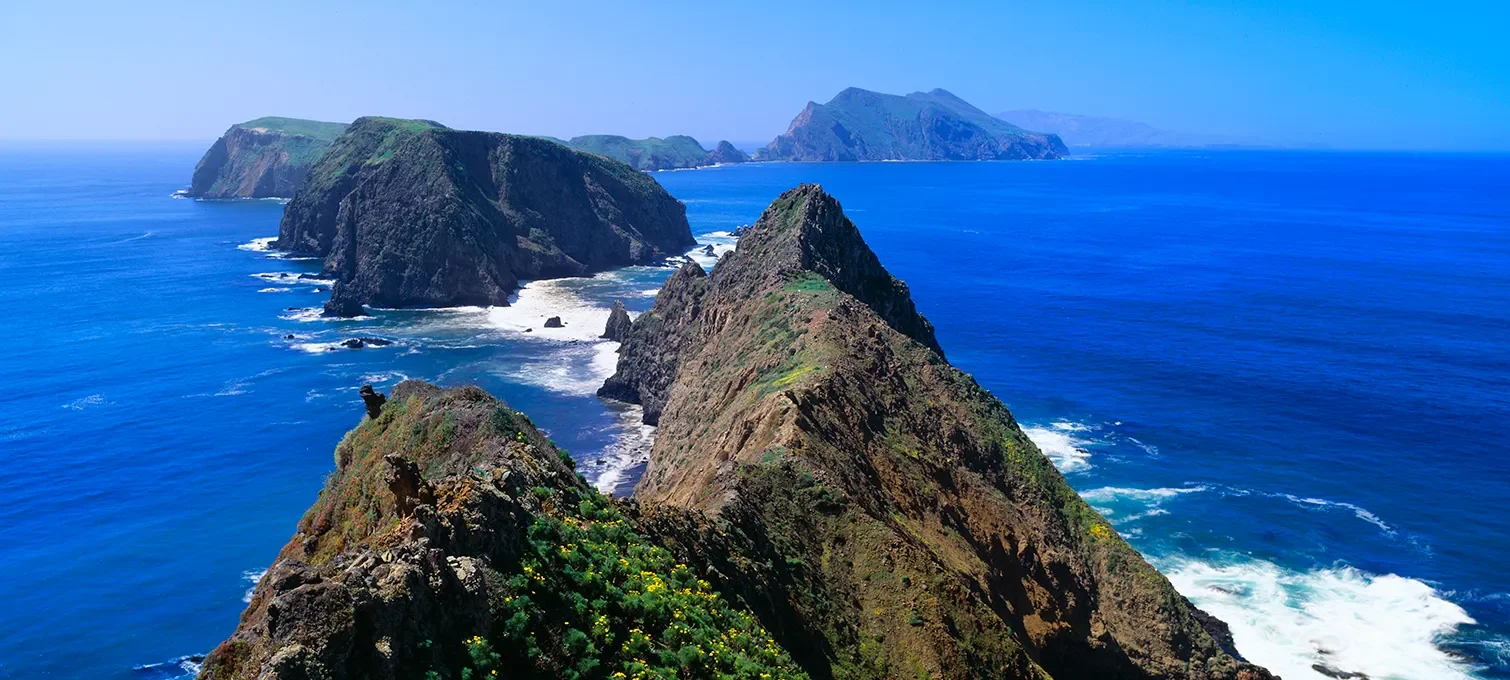
1. Channel Islands, California
Often called the “Galápagos of North America,” this chain of islands offers:
- Sea caves
- Rare wildlife
- Cliffside ocean views
Despite being a national park, the islands see far fewer visitors compared to Yosemite or Sequoia.
Highlights:
- Kayaking through the world’s largest sea cave: Painted Cave
- Spotting island foxes found nowhere else on earth
2. The Wave, Arizona
A swirling sandstone landscape that looks like another planet.
Highlights:
- Unique geology formed by 190 million-year-old sand dunes
- Strict permit system keeps the area pristine
- Popular among photographers seeking surreal scenery
3. Havasu Falls, Arizona
One of the most exclusive and breathtaking waterfalls in the U.S., located on Havasupai tribal lands.
Highlights:
- Electric blue water due to high calcium carbonate levels
- Requires advanced permits
- Surrounded by red rock canyons
4. Apostle Islands Sea Caves, Wisconsin
This hidden Midwest wonder features:
- Ice caves in winter
- Kayaker-friendly tunnels in summer
- Crystal-clear Lake Superior waters
Highlights:
- Frozen cathedral-like formations
- Dramatic sandstone arches
5. Craters of the Moon, Idaho
A vast volcanic landscape resembling the moon’s surface.
Highlights:
- Lava tubes
- Cinder cones
- Rugged terrain formed by ancient eruptions
Scientists from the University of Idaho study the area’s geology to understand volcanic evolution and soil formation.
6. Great Basin National Park, Nevada
One of America’s least visited national parks—yet home to some of the most stunning mountains and ancient trees.
Highlights:
- Wheeler Peak Glacier
- Bristlecone pines over 4,000 years old
- Incredible dark-sky stargazing
7. Driftless Area, Wisconsin & Minnesota
A uniquely unglaciated region with deep valleys, caves, and spring-fed waterfalls.
Highlights:
- Ancient limestone formations
- Cold-water trout streams
- Karst topography studied by geologists
8. Caddo Lake, Texas & Louisiana
A mystical swamp filled with towering cypress trees draped in Spanish moss.
Highlights:
- One of the largest flooded cypress forests in the world
- Unique wildlife including alligators and rare birds
9. Katmai’s Valley of Ten Thousand Smokes, Alaska
A volcanic valley created by the largest eruption of the 20th century.
Highlights:
- Ash-filled canyon landscapes
- Active geology research site for U.S. geologists
- Remote wilderness accessible only by plane
10. Cumberland Island, Georgia
A serene barrier island with untouched beaches and wild horses.
Highlights:
- Maritime forests
- Dunes and estuaries
- Ruins of historic mansions
3. Listicle: Underrated Natural Destinations Worth Visiting
1. Mount Magazine, Arkansas
- Highest point in Arkansas
- Known for hang gliding and dramatic cliffs
2. Dry Tortugas National Park, Florida
- Remote Caribbean-like paradise
- Crystal clear waters and marine life
3. Blue Spring Caverns, Indiana
- One of the largest underground rivers in the U.S.
- Offers boat tours through vast cave systems
4. Bisti/De-Na-Zin Wilderness, New Mexico
- Strange hoodoos and desert formations
- A photographer’s dream
5. Okefenokee Swamp, Georgia
- Mysterious wetlands with blackwater rivers
- Home to diverse wildlife
6. Mono Lake, California
- Iconic tufa towers
- High-salinity lake supporting rare ecosystems
7. Blackwater Falls State Park, West Virginia
- Golden-hued waterfalls
- Vibrant fall foliage
4. Table: Comparison of Hidden Natural Wonders in the U.S.
| Natural Wonder | Location | Key Features | Visitor Level | Best For |
|---|---|---|---|---|
| Channel Islands | California | Sea caves, wildlife | Low | Hiking, kayaking |
| The Wave | Arizona | Sandstone waves | Very low (permit only) | Photography |
| Havasu Falls | Arizona | Blue water falls | Moderate (permit) | Camping, hiking |
| Apostle Islands Sea Caves | Wisconsin | Ice & summer caves | Moderate | Winter exploration |
| Great Basin NP | Nevada | Glaciers, bristlecone pines | Low | Stargazing & hiking |
| Caddo Lake | TX/LA | Cypress swamp | Moderate | Kayaking & wildlife |
| Driftless Area | WI/MN | Valleys, caves | Low | Scenic drives & fishing |
| Craters of the Moon | Idaho | Volcanic landscape | Low | Geology & trekking |
| Katmai Valley of Smokes | Alaska | Volcanic valley | Very low | Adventure travel |
| Cumberland Island | Georgia | Beaches, horses | Low | Coastal nature |
5. Scientific Insights on Why These Places Are Unique
Many hidden natural wonders in the U.S. are significant not only for beauty but for scientific exploration.
1. Geological Rarity
Studies from the University of Arizona Department of Geosciences show that formations like The Wave are extremely rare due to specific wind erosion patterns and mineral content.
2. Biodiversity Hotspots
Oregon State University found that less-disturbed ecosystems such as the Channel Islands support species found nowhere else (endemics), including:
- Island fox
- Rare seabirds
- Native plants evolved in isolation
3. Ancient Ecosystems
The bristlecone pines of Great Basin National Park are among the oldest living organisms on Earth—studied by scientists to understand thousands of years of climate patterns.
4. Hydrological Phenomena
The turquoise water of Havasu Falls is caused by:
- High calcium carbonate
- Low sediment content
- Unique spring-fed flows
Hydrogeology research from the University of Nevada has explored how these mineral-rich waters maintain their color.
5. Volcanic Soil Development
Craters of the Moon provides insight into soil formation from raw volcanic basalt—a key study area for earth scientists.
6. How to Visit Natural Wonders Responsibly
As remote wonders gain attention, responsible travel is essential.
Best Practices:
- Stay on marked trails
- Avoid disturbing wildlife
- Pack out all trash
- Respect Indigenous lands and permits
- Use biodegradable skincare near water
- Practice Leave No Trace principles
7. Tips for Exploring Remote Natural Areas in the U.S.
1. Prepare Proper Gear
- Waterproof backpack
- Navigation tools (GPS, maps)
- First aid kit
- Layered clothing for temperature shifts
2. Research Permits Early
Many remote areas (like The Wave or Havasu Falls) require highly competitive permit systems.
3. Monitor Weather Conditions
Remote areas may have:
- Flash floods
- Sudden snowstorms
- High winds
- Unpredictable water levels
4. Bring Extra Water and Food
Cellular service may be unavailable for miles.
5. Travel with a Group When Possible
For safety and environmental stewardship.
FAQs
1. What is the most underrated natural wonder in the U.S.?
Many experts consider Great Basin National Park one of the most underrated due to its stunning mountains, caves, and night skies.
2. Which hidden natural wonder is best for photography?
The Wave in Arizona offers unmatched geological beauty and surreal patterns ideal for photographers.
3. Are these hidden natural wonders difficult to access?
Some require special permits or long hikes, while others—like Caddo Lake or Apostle Islands—are accessible by kayak or boat.
4. Which destination is most family-friendly?
Channel Islands and Cumberland Island are safe, educational, and excellent for family trips.
5. Is it safe to visit remote natural areas alone?
It is possible but not recommended. Weather, wildlife, or navigation challenges can pose risks.
6. When is the best time to visit hidden natural wonders?
Spring and fall offer ideal temperatures for most U.S. regions, though each location varies.
7. Do hidden natural wonders require guided tours?
Some areas like caves, swamps, and tribal lands may require or strongly recommend guides for safety.