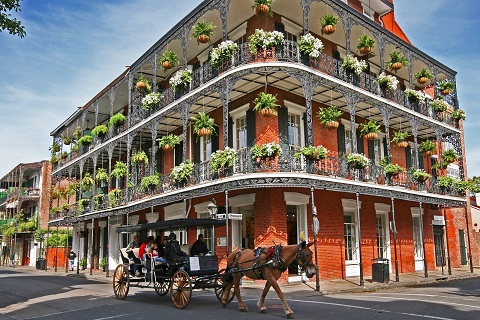
Exploring America’s historic districts is more than just a walk through old streets—it’s a journey into the vibrant stories, architecture, and cultural forces that helped shape the United States. From cobblestone lanes and preserved colonial homes to bustling 19th-century commercial districts turned artistic hubs, America’s coolest historic districts offer travelers a rare opportunity to experience living history.
For U.S. travelers searching for authentic cultural experiences, heritage tourism, and Instagram-worthy historic neighborhoods, this guide highlights the most fascinating historic districts across the country—each with distinctive architecture, immersive attractions, and a deeply rooted local identity.
Whether you’re planning a cross-country trip or simply looking for your next weekend getaway, this long-form guide provides detailed insights to help you explore America’s past through its best-preserved communities.
Why Historic Districts Are Important to U.S. Tourism
Historic districts are protected areas that preserve a community’s architectural and cultural heritage. According to research by the University of Florida’s Center for Heritage Conservation, travelers increasingly seek “authentic place-based experiences,” and historic districts satisfy this demand by offering environments that feel immersive and emotionally meaningful.
Key benefits of visiting historic districts include:
- Cultural enrichment: Direct exposure to unique local histories.
- Economic impact: Heritage tourism contributes billions to local economies.
- Preservation awareness: Supporting communities that maintain historic architecture.
- Walkability: Many districts are pedestrian-friendly and environmentally conscious.
The rise of heritage tourism in the U.S., supported by studies from the University of Georgia’s Historic Preservation Program, shows that visitors prefer destinations with historical character and storytelling, making historic districts ideal for modern travelers.
America’s Coolest Historic Districts to Explore
Below is a curated list of the most remarkable, culturally rich, and beautifully preserved historic districts across the country. Each entry includes history, highlights, what to see, and why travelers love it.
1. French Quarter — New Orleans, Louisiana
The French Quarter, or Vieux Carré, is arguably America’s most iconic historic district. Founded in 1718, it blends French, Spanish, Creole, and Caribbean influences, creating a vibrant neighborhood unlike anywhere else in the U.S.
Why It’s Cool
- Ornate iron balconies
- Jazz music and nightlife
- Street performers, artists, and parades
- Legendary cuisine
Top Attractions
- Jackson Square
- St. Louis Cathedral
- Bourbon Street
- Preservation Hall
Historic Significance
Research from Tulane University notes that the French Quarter is a “living cultural ecosystem,” where architecture and daily life merge into a unique Creole identity. Despite natural disasters, much of the Quarter’s original layout remains intact.
2. Old Town Alexandria — Virginia
Located along the Potomac River, Old Town Alexandria is known for its cobblestone streets, colonial architecture, and beautifully restored 18th-century townhouses.
Why It’s Cool
- One of the best-preserved colonial towns
- Waterfront dining
- Historic shops and art studios
Top Attractions
- King Street Mile
- Torpedo Factory Art Center
- Christ Church
- Carlyle House
Travel Tip
The area is extremely walkable—ideal for heritage tourism, as supported by studies from the University of Virginia emphasizing walkable historic design as a key attraction factor.
3. Charleston Historic District — South Carolina
Charleston’s historic district is a masterpiece of preservation, filled with pastel mansions, antebellum architecture, horse-drawn carriages, and oak-lined streets.
Why It’s Cool
- Elegant 18th and 19th-century homes
- Gullah culture
- Coastal scenery
Top Attractions
- Rainbow Row
- The Battery
- Waterfront Park
- Historic open-air markets
Scientific Insight
Clemson University’s architectural preservation studies highlight Charleston as one of the best examples of urban historic preservation in the United States.
4. Boston’s Beacon Hill — Massachusetts
Beacon Hill is one of America’s oldest and most charming historic neighborhoods. Its red brick sidewalks, gas lamps, and Federal-style rowhouses make it a dream for photographers and history lovers.
Why It’s Cool
- Storybook streets
- Literary history
- Lively neighborhood atmosphere
Top Attractions
- Acorn Street
- Massachusetts State House
- Louisburg Square
Did You Know?
Harvard University researchers have documented Beacon Hill as an example of early urban planning in the United States.
5. Savannah Historic District — Georgia
With Spanish moss hanging from ancient oak trees, Savannah’s Historic District is one of the most romantic and atmospheric places in the U.S.
Why It’s Cool
- 22 historic squares
- Gothic and Greek Revival architecture
- Ghost tours and folklore
Top Attractions
- Forsyth Park
- River Street
- Cathedral of St. John the Baptist
- Bonaventure Cemetery
Research Insight
The University of Georgia’s College of Environment & Design notes that Savannah’s unique square layout remains one of America’s most influential city planning models.
6. Old San Juan — Puerto Rico (U.S. Territory)
A colorful blend of Caribbean culture and Spanish colonial architecture, Old San Juan is one of the oldest settlements under the U.S. flag.
Why It’s Cool
- Bright pastel buildings
- Cobblestone blue brick streets
- Massive fortresses and rich colonial history
Top Attractions
- Castillo San Felipe del Morro
- La Fortaleza
- Calle Fortaleza Umbrella Street
- San Juan Gate
Travel Note
It is technically outside the mainland but firmly part of American history and culture.
7. Georgetown — Washington, D.C.
Georgetown offers historic elegance mixed with modern luxury. Founded in 1751, it predates Washington, D.C. itself.
Why It’s Cool
- Waterfront parks
- High-end boutiques
- Well-preserved Federal architecture
- Historic university culture
Top Attractions
- Georgetown University
- C&O Canal
- Georgetown Waterfront Park
Scientific Connection
Georgetown is often cited in studies by architectural historians at George Washington University for its meticulous preservation policies.
8. San Diego Old Town — California
Known as the “birthplace of California,” Old Town San Diego is a lively, colorful historic district blending Mexican heritage and early American settlement.
Why It’s Cool
- Authentic Mexican food
- Live mariachi music
- Historic adobes
Top Attractions
- Old Town State Historic Park
- Casa de Estudillo
- Bazaar del Mundo
9. Philadelphia’s Old City — Pennsylvania
Old City is where the U.S. was formed—home to the Declaration of Independence, the Constitution, and leaders of the American Revolution.
Why It’s Cool
- Founding Fathers history
- Revolutionary War landmarks
- Vibrant arts scene
Top Attractions
- Independence Hall
- Liberty Bell
- Betsy Ross House
- Elfreth’s Alley
Expert Insight
The University of Pennsylvania often references Old City in urban studies research related to American identity and political development.
10. St. Augustine Historic District — Florida
As the oldest city in the U.S., St. Augustine blends European colonial styles, Spanish fortresses, and centuries-old traditions.
Why It’s Cool
- 450+ years of history
- Spanish Renaissance architecture
- Coastal charm
Top Attractions
- Castillo de San Marcos
- St. George Street
- Lightner Museum
Comparison Table: America’s Top Historic Districts
| Historic District | Best Known For | Architectural Style | Top Attractions | Traveler Vibe |
|---|---|---|---|---|
| French Quarter | Music, nightlife, culture | Creole, Spanish | Jackson Square | Lively & artistic |
| Old Town Alexandria | Colonial charm | Georgian, Federal | King Street | Romantic & walkable |
| Charleston | Mansions & coastal views | Antebellum, Georgian | Rainbow Row | Elegant & historic |
| Beacon Hill | Literary history | Federal, Greek Revival | Acorn Street | Quaint & picturesque |
| Savannah | Squares & moss trees | Gothic, Greek Revival | Forsyth Park | Romantic & haunting |
| Old San Juan | Caribbean color | Spanish Colonial | El Morro | Vibrant & tropical |
| Georgetown | Water views & shops | Federal, Victorian | C&O Canal | Upscale & historic |
| Old City Philadelphia | Revolutionary War history | Colonial, Federal | Liberty Bell | Patriotic & educational |
| St. Augustine | Oldest city heritage | Spanish Renaissance | Castillo de San Marcos | Coastal & historic |
Tips for Exploring America’s Historic Districts
1. Join Guided Tours
Local tours—especially those led by historians—offer deep insights into architecture, culture, and little-known facts.
2. Visit Museums First
Museums often provide context that enriches your walk through the district.
3. Explore Early in the Morning
Historic districts are most peaceful during early hours, perfect for photography and crowd-free exploration.
4. Support Local Businesses
Shopping and dining in historic districts helps preserve the community’s economic health.
5. Wear Comfortable Shoes
Cobblestones, brick paths, and long walking routes are common in many districts.
FAQs About Exploring America’s Historic Districts
1. What is the most visited historic district in the United States?
The French Quarter in New Orleans is one of the most visited due to its cultural diversity, music scene, architecture, and year-round festivals.
2. What is the oldest historic district in the U.S.?
St. Augustine, Florida, founded in 1565, is the oldest continuously occupied European-established settlement in the U.S.
3. Are historic districts good for family travel?
Yes. Most historic districts are walkable, educational, and filled with family-friendly museums, parks, and tours.
4. Why do people enjoy heritage tourism?
Studies from multiple universities show that travelers enjoy emotionally rich, authentic experiences that foster a deeper connection to a place’s culture and history.
5. Do historic districts have good food options?
Absolutely—many historic areas feature local dishes, old restaurants, and culturally significant cuisine.
6. Are these districts free to visit?
Most historic districts are free to explore, though museums or guided tours may have fees.
7. What is the best time of year to visit historic districts?
Fall and spring typically offer pleasant weather and fewer crowds, especially in warmer states.